
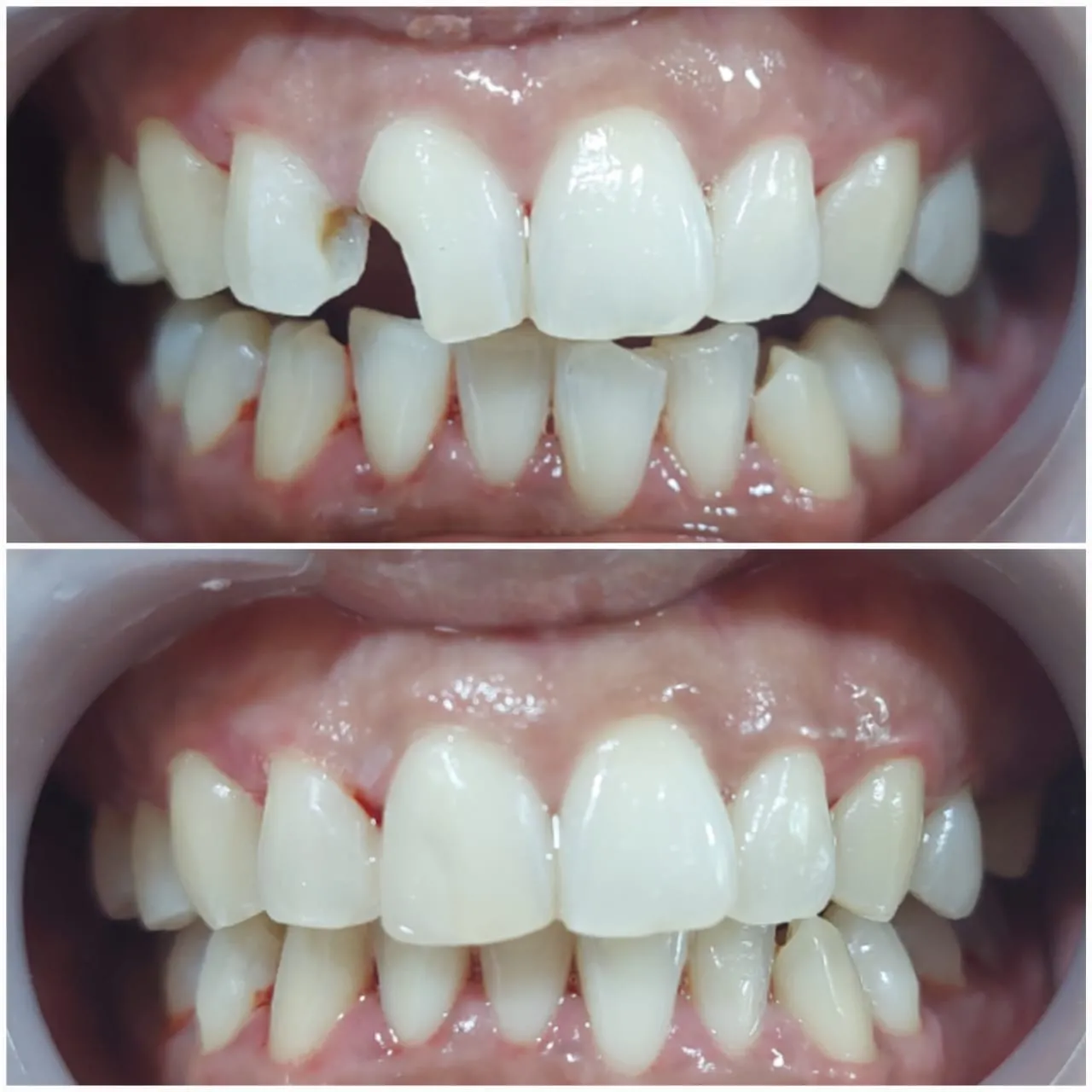
A toothache on holiday is never convenient, but a cavity filling is one of the fastest dental procedures available — most patients are in and out within the same appointment, which makes it realistic to fit between breakfast and an afternoon at the beach.
Signs you might need a filling while travelling
- Sharp pain when eating something sweet, hot, or cold.
- A visible dark spot or small hole on a tooth.
- Food consistently getting stuck in the same spot.
- A rough edge you can feel with your tongue where a tooth used to be smooth.
None of these need to derail your trip — they just need an appointment sooner rather than later, since a small cavity left untreated can progress to needing a root canal.
Composite vs amalgam fillings
Composite (tooth-coloured resin) fillings are now the standard choice in most modern clinics, including for tourists, because they bond directly to the tooth, blend in visually, and don’t require removing as much healthy tooth structure as older amalgam (silver) fillings. Amalgam is still occasionally used for large back-tooth restorations under heavy bite force, but most patients today choose composite for both front and back teeth.
Cost comparison: Bali vs Australia
A single composite filling in Australia typically costs AU$150 to AU$400 depending on size and location in the mouth. The equivalent filling in Bali, using the same composite resin brands, is usually a small fraction of that cost — making it one of the most accessible same-day treatments for tourists, even those not specifically travelling for dental work.
Same-day appointment availability
Fillings are one of the easiest procedures to fit into a tight schedule. Most clinics that see tourists regularly can assess and complete a filling within a single visit of 30 to 60 minutes, with no second appointment needed unless the decay turns out to be deeper than expected.
Surf, dive, and beach precautions after treatment
Local anaesthetic numbness typically wears off within two to four hours, so avoid eating or drinking anything hot until normal sensation returns to avoid accidentally burning your lip or tongue. There is no need to avoid the ocean or pool after a routine filling — unlike extractions or surgical procedures, fillings don’t carry a bleeding or infection risk that affects water activities.
When a filling isn’t enough
If the decay has reached the nerve, a filling alone won’t resolve the pain and a root canal treatment becomes necessary instead. A dentist will usually be able to tell from an X-ray and the depth of the cavity which path applies to your situation before starting any work.
If a cavity is bothering you mid-trip, treating it early keeps the rest of your holiday pain-free and avoids a much bigger, more expensive procedure later.
READY TO SMILE?
Book Your Free Consultation
Chat with our team on WhatsApp — we respond within minutes.
No commitment, no hidden fees.